
Why Choose Sugar-Free Living?
Discover the comprehensive benefits of sugar-free foods and how they support your wellness journey. Learn what makes our recommendations the gold standard for healthy eating.
Core Features of Sugar-Free Foods
Our carefully curated selection of sugar-free foods offers multiple health-supporting properties that align with balanced nutrition and wellness principles.
Stable Energy Levels
Sugar-free foods prevent rapid blood sugar spikes and crashes, helping you maintain consistent energy throughout the day. This steady approach supports better focus and productivity without the afternoon slump.
Mental Clarity
By eliminating blood sugar fluctuations, sugar-free choices support improved concentration and cognitive function. Many people report sharper thinking and enhanced mental performance within weeks of dietary changes.
Improved Hydration
Sugar-free beverages and whole foods reduce excessive thirst caused by high sugar intake. This naturally supports better hydration habits and helps your body maintain optimal fluid balance.
Natural Nutrient Density
Our recommended foods are packed with vitamins, minerals, and fibre. Whole foods like nuts, vegetables, and legumes provide nourishment your body truly needs, without empty calories.
Satisfying Meals
Sugar-free options featuring protein and healthy fats create genuine satiety, helping you feel fuller for longer. This natural satisfaction makes maintaining balanced eating habits easier and more sustainable.
Better Overall Wellness
Supporting stable metabolism, improved skin, better sleep quality, and enhanced mood are common observations when shifting to sugar-free eating patterns. Holistic wellness naturally follows.
The Science Behind Sugar-Free Living
Refined sugars create rapid spikes in blood glucose, triggering excessive insulin responses. Over time, this pattern can lead to metabolic imbalance and cravings that perpetuate unhealthy eating cycles.
Sugar-free foods, by contrast, maintain stable glucose levels. Whole grains, proteins, healthy fats, and fibre-rich vegetables work together to support your body's natural processes without triggering the energy rollercoaster.
Research consistently shows that reducing refined sugar intake is one of the most impactful dietary changes for long-term wellness. When combined with regular physical activity and adequate sleep, sugar-free eating becomes a foundation for sustainable health.
- Sustained energy without peaks and crashes
- Natural appetite regulation through whole foods
- Improved nutrient absorption and utilisation
- Better quality sleep and recovery
Sugar-Free vs. Regular Foods: A Clear Comparison
| Aspect | High-Sugar Foods | Sugar-Free Foods |
|---|---|---|
| Blood Sugar Impact | Rapid spikes followed by crashes | Stable, gradual glucose release |
| Energy Levels | Inconsistent; afternoon slump common | Consistent throughout the day |
| Hunger & Cravings | Frequent, intense cravings return quickly | Natural satiety; fewer cravings |
| Nutrient Content | Often low in fibre and minerals | Rich in vitamins, minerals, and fibre |
| Mental Focus | Brain fog and difficulty concentrating | Sharp thinking and clarity |
| Sleep Quality | Disrupted sleep patterns common | Improved rest and recovery |
| Long-Term Health | Supports metabolic imbalance | Promotes sustainable wellness |
Your Path to Sugar-Free Living
Transitioning to a sugar-free lifestyle doesn't happen overnight. Follow these practical steps to gradually build sustainable habits that support your wellness goals.
Awareness & Assessment
Begin by tracking your current intake. Read food labels, notice which products contain added sugars, and understand your baseline. Awareness is the foundation of change.
Gradual Substitution
Replace high-sugar items incrementally. Swap sugary drinks for water, choose whole grains over refined bread, and explore natural sweeteners. Small swaps compound over time.
Learn & Explore
Discover new recipes and food combinations. Explore our guides and articles to find what works for your lifestyle. Enjoyment makes the transition sustainable.
Maintain & Enjoy
Sugar-free living becomes your new normal. As your taste buds adjust, whole foods naturally taste better. Consistency brings lasting benefits and wellness gains.
Top Sugar-Free Food Categories
Explore the main categories of foods that form the foundation of a healthy sugar-free lifestyle. Each category offers unique nutritional benefits and versatility.

Leafy Greens & Vegetables
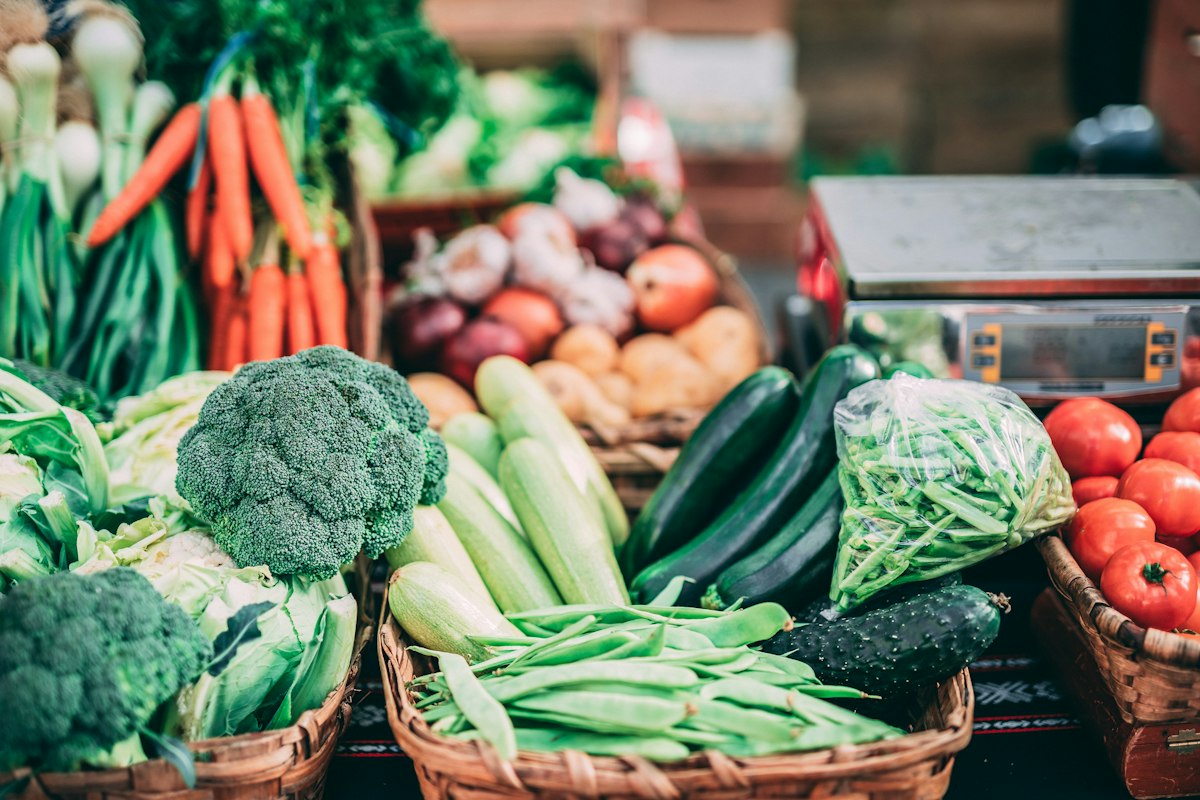
Spinach, kale, broccoli, and bell peppers are nutrient-dense powerhouses packed with vitamins, minerals, and fibre. Low in calories and high in nutrients, they form the foundation of balanced eating.
Includes: spinach, kale, lettuce, broccoli, cauliflower, carrots, and cucumber
Lean Proteins
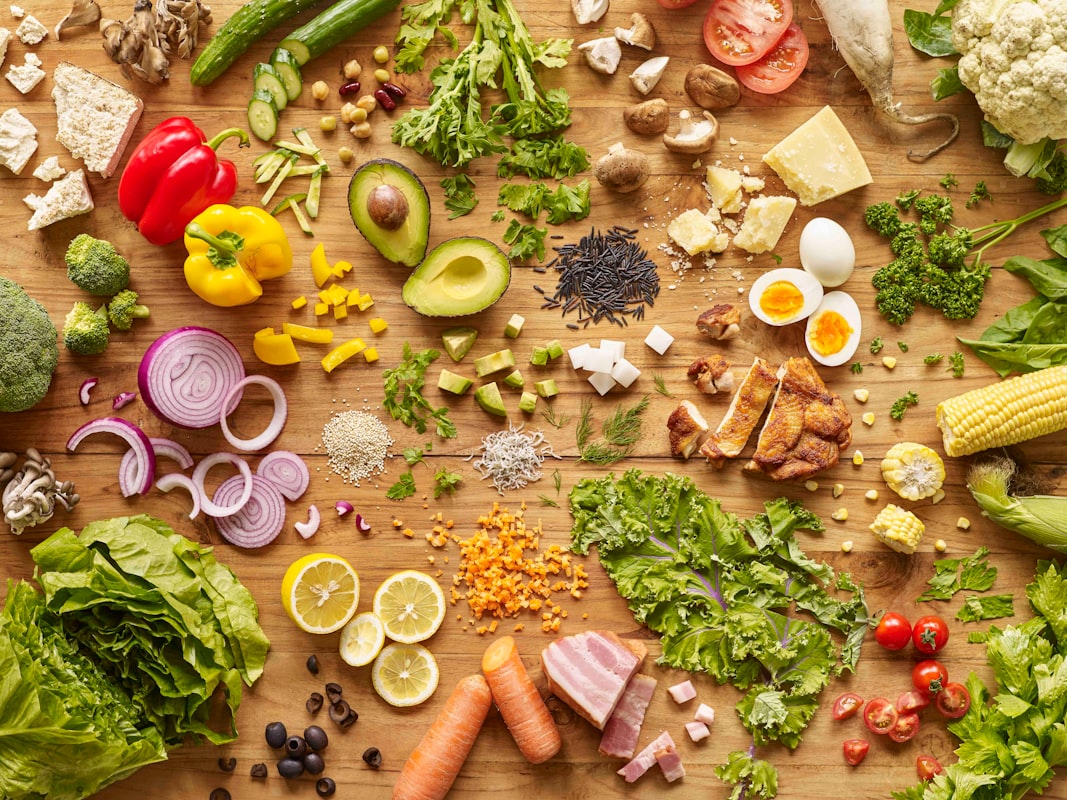
Chicken breast, fish, eggs, and lean beef provide essential amino acids for muscle maintenance and repair. High-quality protein keeps you satisfied and supports metabolic function.
Includes: chicken, fish, turkey, eggs, tofu, and legumes

Nuts & Seeds
Almonds, walnuts, chia seeds, and flax seeds are rich in healthy fats, protein, and fibre. Perfect for snacking, they provide sustained energy and support cardiovascular wellness.
Includes: almonds, walnuts, sunflower seeds, pumpkin seeds, and tahini
Whole Grains
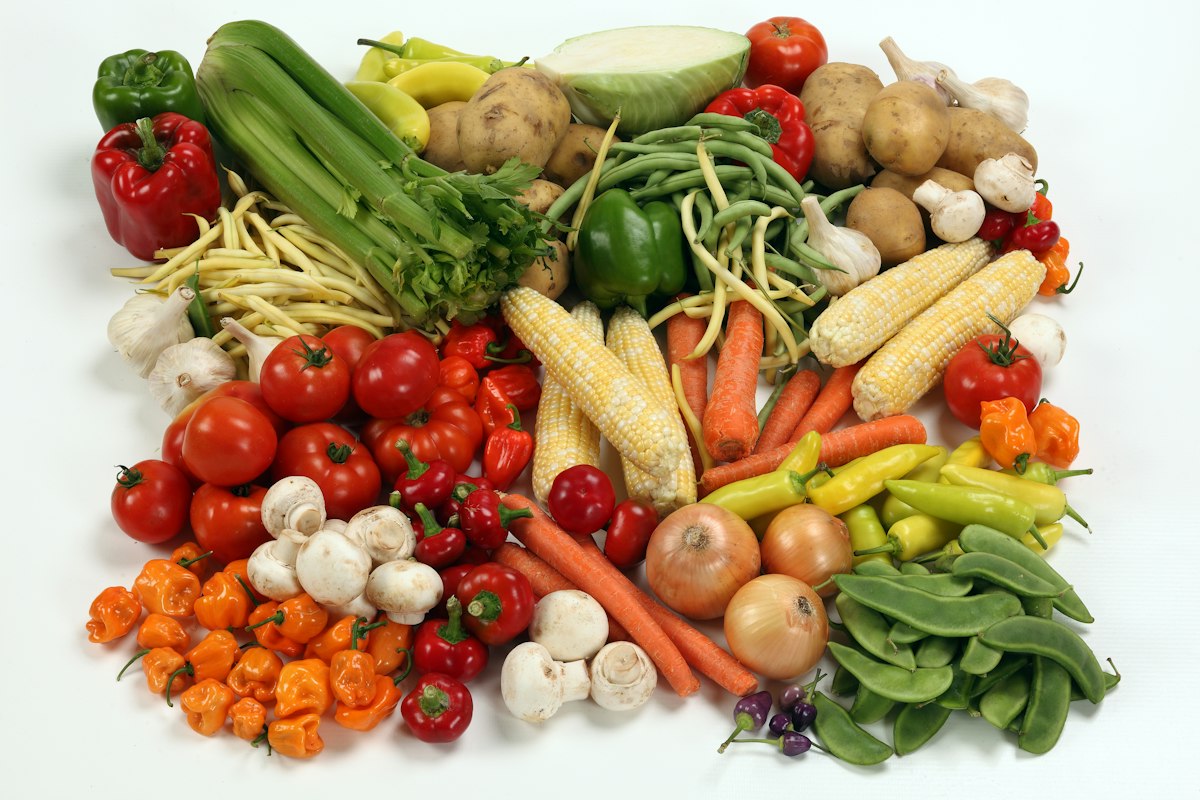
Oats, quinoa, brown rice, and barley offer complex carbohydrates with steady energy release. High in fibre, they support digestive wellness and stable blood sugar.
Includes: oats, quinoa, brown rice, whole wheat, and barley
Fresh Fruits
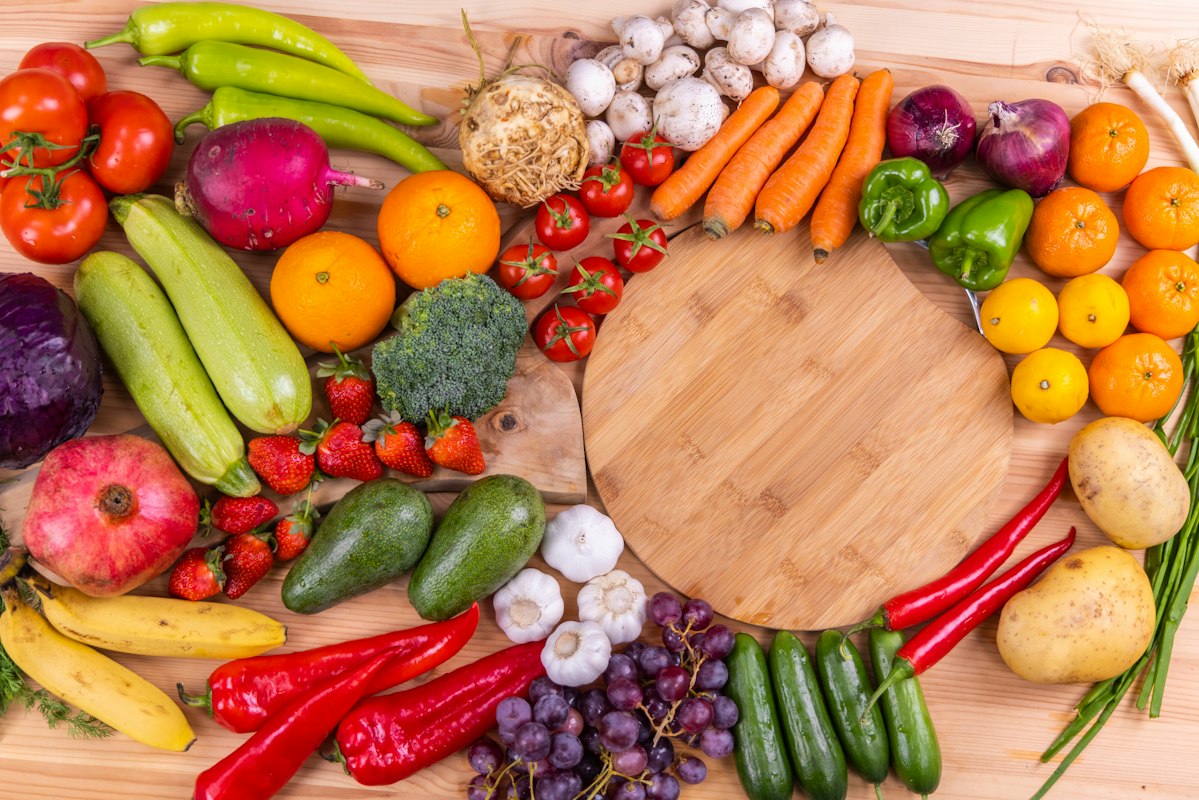
Berries, apples, and citrus fruits offer natural sweetness with antioxidants and fibre. While containing natural sugars, their nutritional density makes them excellent choices in moderation.
Includes: berries, apples, oranges, pears, and grapes

Dairy & Alternatives
Greek yogurt, cheese, and unsweetened milk alternatives provide calcium and probiotics. Choose plain varieties without added sugars for maximum nutritional benefit.
Includes: Greek yogurt, cheese, almond milk, and coconut milk
Frequently Asked Questions
Is natural sugar better than refined sugar?
While natural sugars (from fruit or honey) come packaged with fibre and nutrients, your body processes them similarly to refined sugar. The key is moderation. Whole fruits are preferable because they include fibre, which slows sugar absorption and provides satiety.
Can I use artificial sweeteners in sugar-free eating?
Artificial sweeteners like aspartame, sucralose, and stevia allow you to enjoy sweet tastes without sugar. They're useful transitional tools, but whole foods without added sweeteners are the ideal foundation. Use them mindfully as part of a balanced approach.
How long does it take to adjust to sugar-free eating?
Most people notice initial cravings ease within 2–3 weeks. By 4–8 weeks, taste buds adjust and whole foods begin tasting naturally sweet. The timeline varies based on your starting point and commitment level. Consistency matters more than perfection.
Is sugar-free eating suitable for everyone?
Sugar-free principles benefit most people, but individual needs vary. Pregnant individuals, competitive athletes, and those with specific health concerns should align dietary changes with their unique circumstances. A balanced, whole-food approach works well for most lifestyles.
Will I lose weight on a sugar-free diet?
Weight loss depends on overall calorie intake, not sugar alone. However, sugar-free eating often naturally reduces calories because whole foods keep you satisfied longer and reduce energy-draining blood sugar swings. Combined with activity and sleep, sustainable changes often follow.
What about dining out on a sugar-free plan?
Most restaurants offer sugar-free options—grilled proteins, vegetable sides, and salads with oil-based dressings. Ask questions about preparation methods and sauces. Building skills to make informed choices empowers you to enjoy dining out while staying aligned with your wellness goals.
What Our Readers Say
"Your guides on sugar-free living have transformed how I eat. The recipes are practical, tasty, and I don't feel deprived. After just a month, my energy levels are notice ably better."
— Maria Chen, Diabetes Manager
"I was skeptical about managing my diet without sugar, but Diabetic Superfoods made it easy. The meal plans are clear, the superfoods list is comprehensive, and the support community keeps me motivated."
— James Mitchell, Type 2 Diabetes
Frequently Asked Questions
Start Your Journey to Better Health Today
Join thousands of people managing diabetes with confidence. Get instant access to recipes, meal plans, and expert guidance.
Secure. Confidential. No credit card required.